23 Jul 2026
Weather-Driven Edges in Late-Season Horse Racing: Spotting Value in Muddy Conditions
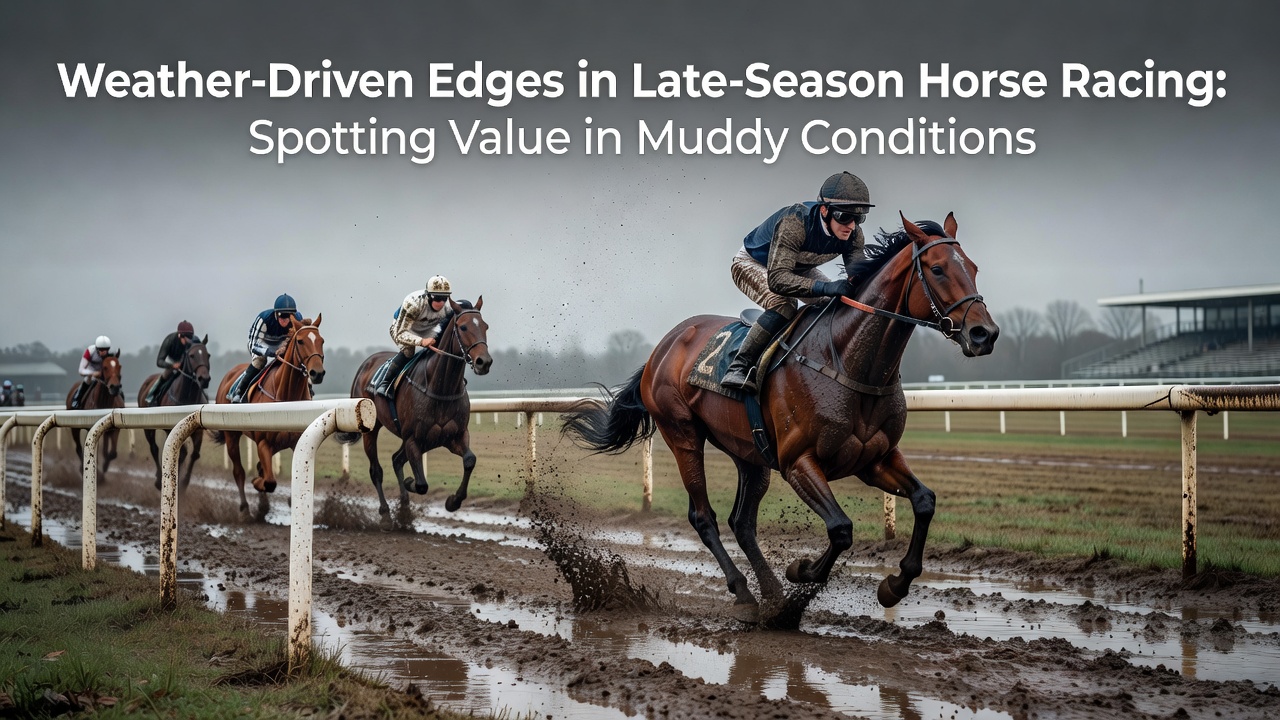
Late-season horse racing often brings unpredictable weather that transforms track surfaces into heavy or muddy conditions, and data from racing authorities shows these changes create measurable performance shifts among runners. Researchers tracking ground conditions across multiple jurisdictions note that certain horses demonstrate consistent advantages when the going turns soft while others lose significant ground, and this pattern holds through autumn and winter meetings where rainfall frequency rises. Observers who review official going reports find that mud specialists frequently deliver outsized returns for bettors who identify the right profiles in advance.
Ground Condition Impacts on Performance
Track officials classify surfaces using official going descriptions that range from firm to heavy, and studies compiled by regional racing bodies indicate that times slow dramatically once ground becomes holding. Horses with proven records on soft or heavy surfaces tend to maintain their action better because their stride patterns adapt to the extra resistance, whereas speed-oriented runners often shorten stride and tire earlier. Data collected over several seasons reveals that trainers with strong records on testing ground achieve win rates 15 to 20 percent above their overall averages when conditions deteriorate, according to aggregated results published by international racing organizations.
Key Factors for Identifying Mud Performers
Pedigree analysis plays a central role because certain bloodlines consistently produce progeny that handle cut in the ground, and breeding records maintained by stud book authorities confirm higher success rates for offspring of sires known for stamina. Past performance lines that include wins or strong placings on heavy ground serve as reliable indicators, while horses that have never raced on soft surfaces require closer inspection of their dam's side and trainer comments. Those who monitor official handicaps notice that official ratings sometimes lag behind actual ability on changed ground, creating situations where well-handicapped runners start at longer odds than their true chance warrants.
Statistical Patterns in Recent Seasons
Figures released by racing authorities in multiple countries show that late-season meetings record a higher proportion of races won by horses with previous heavy-ground form, and this trend strengthens when meetings extend into December and January. One study covering Irish and Australian tracks found that trainers who target specific meetings with known mud runners improve their strike rate by double digits during wet periods, while generalist stables see flatter results. Weather forecasts issued by national meteorological services further influence these patterns because advance knowledge of prolonged rain allows connections to prepare horses accordingly and adjust travel plans.
Regional Variations and July 2026 Context
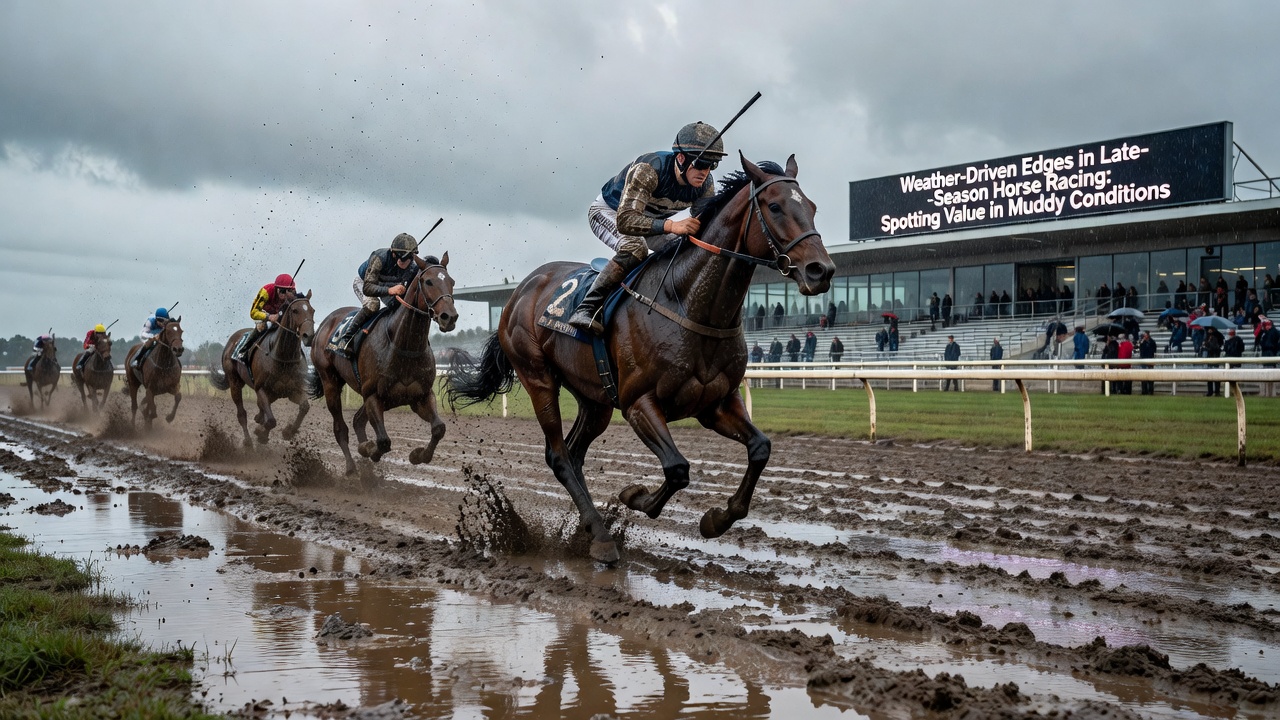
While many late-season meetings occur in cooler months, preparatory work in July 2026 focuses on identifying horses likely to handle future wet tracks, and reports from southern hemisphere authorities highlight similar patterns during their winter campaigns. Australian and New Zealand racing bodies publish detailed ground-condition statistics that allow comparisons across hemispheres, and these datasets help northern trainers plan campaigns for horses returning from southern hemisphere winter breaks. Observers note that horses shipping between regions often carry form that translates differently once they encounter unfamiliar mud, so cross-referencing official records becomes essential.
Practical Approaches to Spotting Edges
Bettors who combine official form with trainer and jockey statistics on specific ground types gain clearer pictures of value opportunities, and industry reports from bodies such as Racing Australia demonstrate how these layered analyses improve long-term outcomes. Checking recent workout reports on all-weather surfaces can also indicate whether a horse retains its action when asked to handle resistance, and connections often reveal preferences through stable interviews. Those reviewing results from previous wet meetings at the same track identify course specialists who repeat their efforts when conditions match.
Conclusion
Weather-driven changes in late-season racing create identifiable edges when analysts combine ground reports, pedigree data, trainer records, and historical performance on soft surfaces, and these factors remain consistent across different racing jurisdictions. As July 2026 planning continues, connections and followers of the sport continue to refine methods for isolating runners best suited to heavy conditions, while official statistics from international authorities provide the factual foundation for such evaluations.