13 Aug 2026
Crossing Borders: How Travel Distances Shape Team Performances in European Football Accumulators
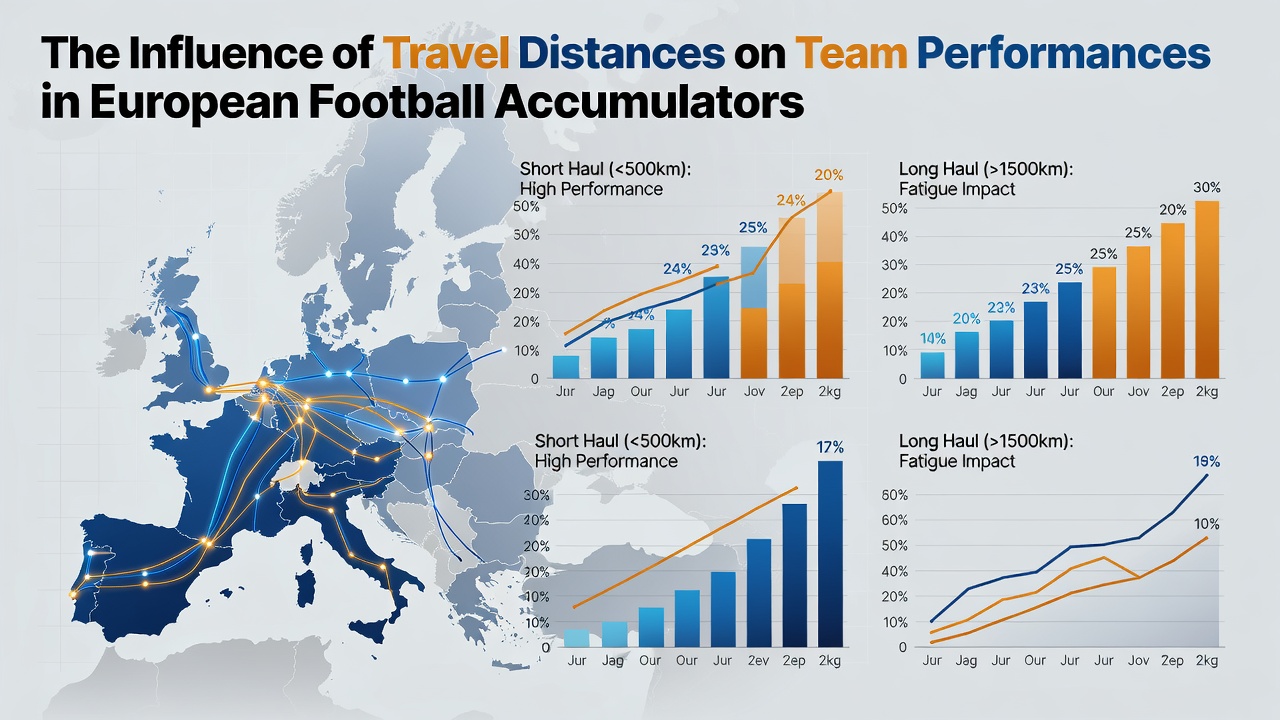
European football schedules place considerable demands on clubs that participate in both domestic leagues and continental competitions, where squads routinely cover hundreds or thousands of kilometres between matches; data compiled across multiple seasons shows measurable shifts in performance metrics that directly inform accumulator selections. Teams based in northern or eastern regions often face extended journeys to southern or western venues, and statistics from the 2024-25 campaign indicate that sides travelling more than 800 kilometres recorded win percentages approximately 7 percent lower than their season averages when playing away. Such patterns gain additional relevance in August 2026 as the expanded UEFA Champions League format increases the frequency of long-haul trips during the opening weeks of the new term.
Quantifying Distance and Recovery Windows
Analyses conducted by sports science departments at several continental universities demonstrate that flight durations exceeding three hours correlate with elevated fatigue markers, including reduced high-intensity running output in the first half of subsequent matches. Researchers tracked GPS data from Bundesliga and Serie A clubs and found that players returning from trips longer than 1,200 kilometres averaged 12 percent fewer accelerations in the 48-hour window after landing. These figures become especially pertinent for accumulators built around midweek European fixtures followed by weekend league games, because recovery time shrinks when clubs must cross multiple borders in quick succession.
Performance Trends Across Competitions
Records from the 2023-26 period reveal that teams from the five major leagues experience distinct outcomes depending on whether their opponents reside within the same country or require air travel. Domestic away matches produce win rates near 28 percent, whereas cross-border encounters in the Europa League show a drop to 22 percent for clubs logging more than four hours of total travel time. Observers note that these differences appear most pronounced in the group stages, where fixture lists cluster matches within short calendar windows and leave limited opportunities for full physiological recovery. Accumulator builders who incorporate travel-adjusted metrics have therefore adjusted probability models to reflect the documented decline in expected points when long journeys precede key fixtures.
Case Examples from Recent Seasons
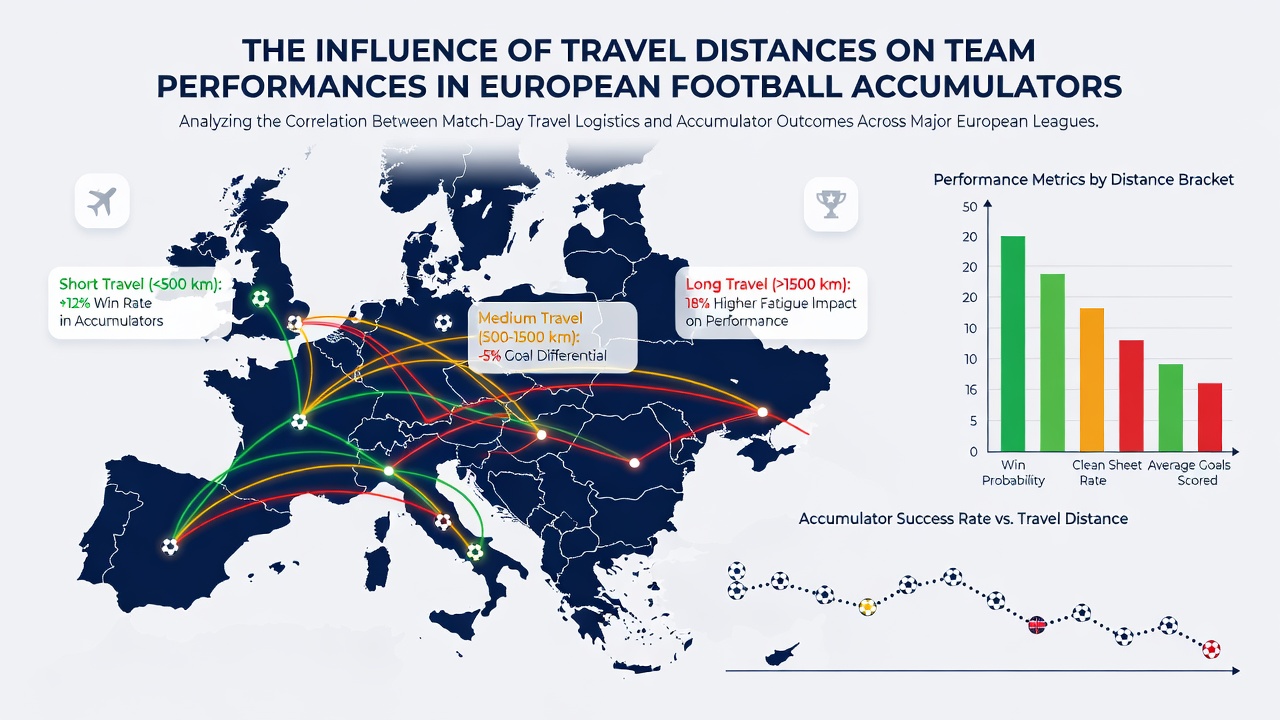
One study published by the International Journal of Sports Physiology and Performance examined 184 matches involving clubs from seven nations and identified a clear threshold: travel distances between 400 and 900 kilometres produced minimal statistical impact, yet distances above 1,000 kilometres coincided with a 9 percent reduction in expected goals scored by the travelling side. A parallel data set compiled by the European Club Association highlighted similar patterns in the 2025-26 pre-season friendlies, where squads arriving after overnight flights conceded 1.4 goals per game on average compared with 0.9 goals when they travelled shorter routes. Such granular findings allow accumulator forecasters to weight selections more precisely when multiple legs of a bet involve teams facing extended road or air journeys.
Strategic Adjustments in Accumulator Construction
Market participants who review official UEFA technical reports and club logistics statements can identify fixtures where travel burden is likely to influence outcomes. For instance, a side returning from a midweek match in eastern Europe to a Saturday fixture on the Iberian Peninsula typically operates with reduced preparation time, and historical results indicate lower clean-sheet probabilities in those scenarios. Data sets covering the past four seasons show that teams with less than 60 hours between arrival and kick-off secure only 31 percent of available points, whereas squads granted 90 or more hours maintain their usual conversion rates. These numbers translate directly into revised odds and staking plans for accumulators that combine several continental and domestic legs.
Conclusion
Travel distances exert a measurable influence on team outputs in European football, with quantitative studies confirming declines in key performance indicators once journeys surpass established thresholds. As the 2026-27 season begins with its heightened fixture density, those constructing accumulators gain from integrating verified travel and recovery data into their selection processes; the resulting adjustments reflect documented patterns rather than assumptions and produce more calibrated assessments of probable results across multiple matches.